Posts

, ,

We paid for the National Theatre: Now we can’t afford to go.
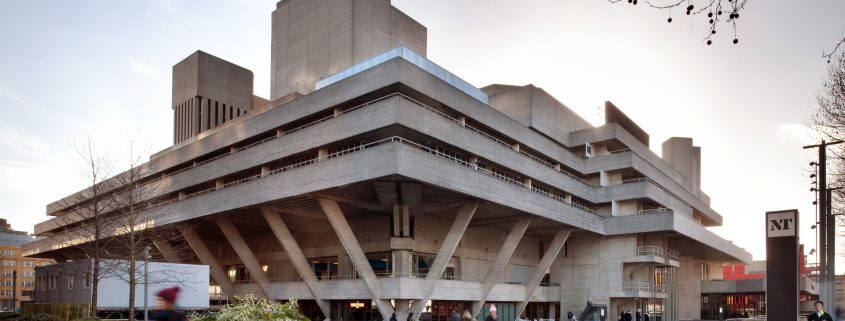
DO GATHER ROUND, THEN: our National Theatre had a good week. 
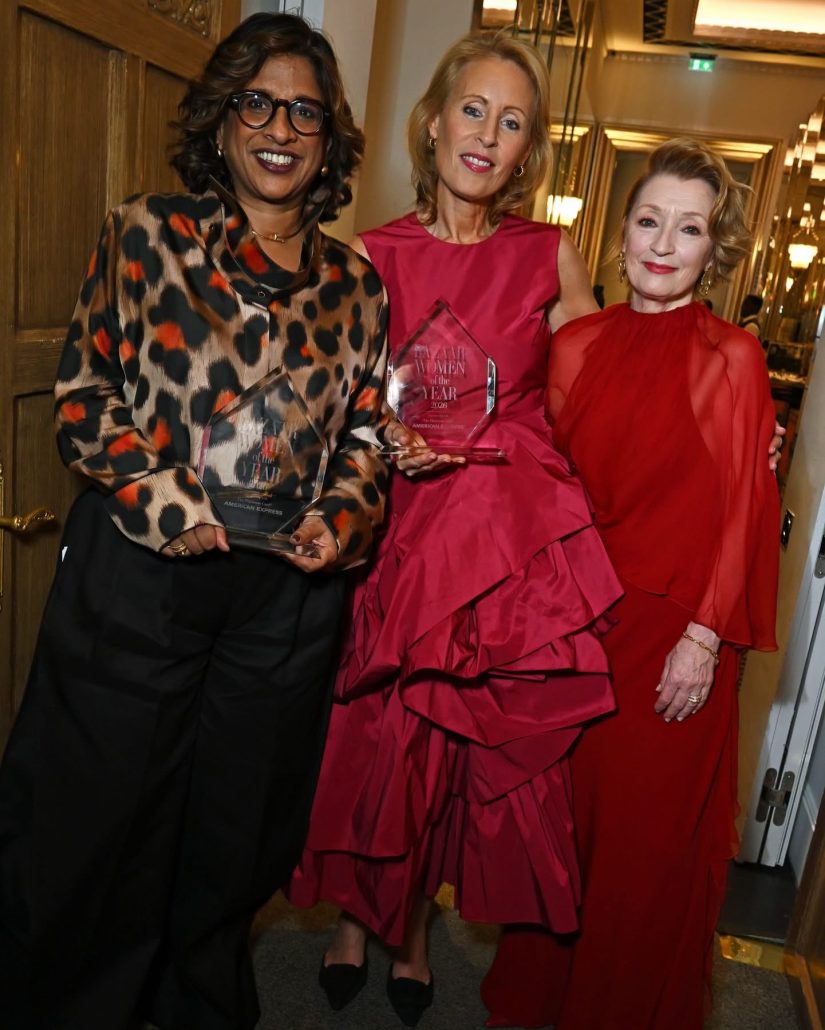
Harper’s Bazaar named its co-chief executives, Indhu Rubasingham and Kate Varah, among its Women of the Year, praising them for “reinventing what a national stage can be”. 

Congratulations are in order. The awards were handed out over “burrata, roasted figs and charred orange” in Claridge’s ballroom. (Sarcastic air quotes: my own.) 

There are testing times ahead. On Thursday the Bank of England raised interest rates to 4%, its first rise in three years, in the middle of the second cost-of-living crisis in four years. 

Meanwhile, war in the Middle East has pushed oil back towards $100 a barrel, and every round of talks to reopen the Strait of Hormuz seems to end with another tanker attack.

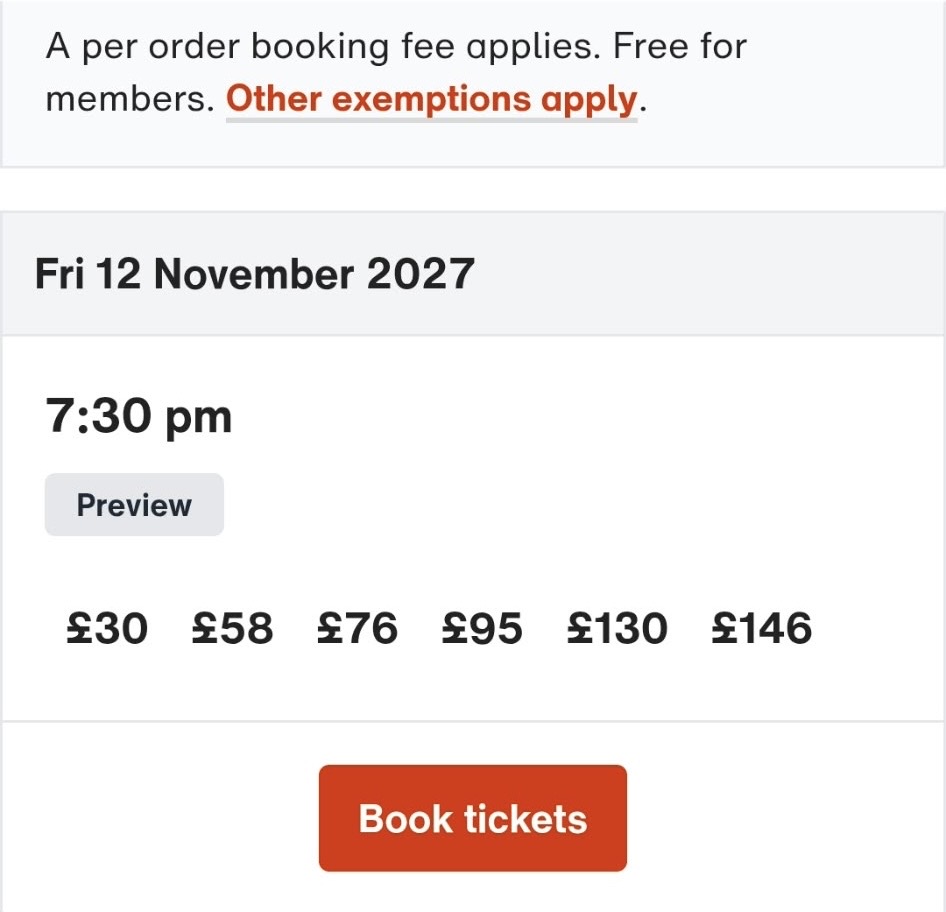
Top NT ticket prices have spiked 33% over two years, from £110 to £146. And up 22% this year: £120 to £146. 

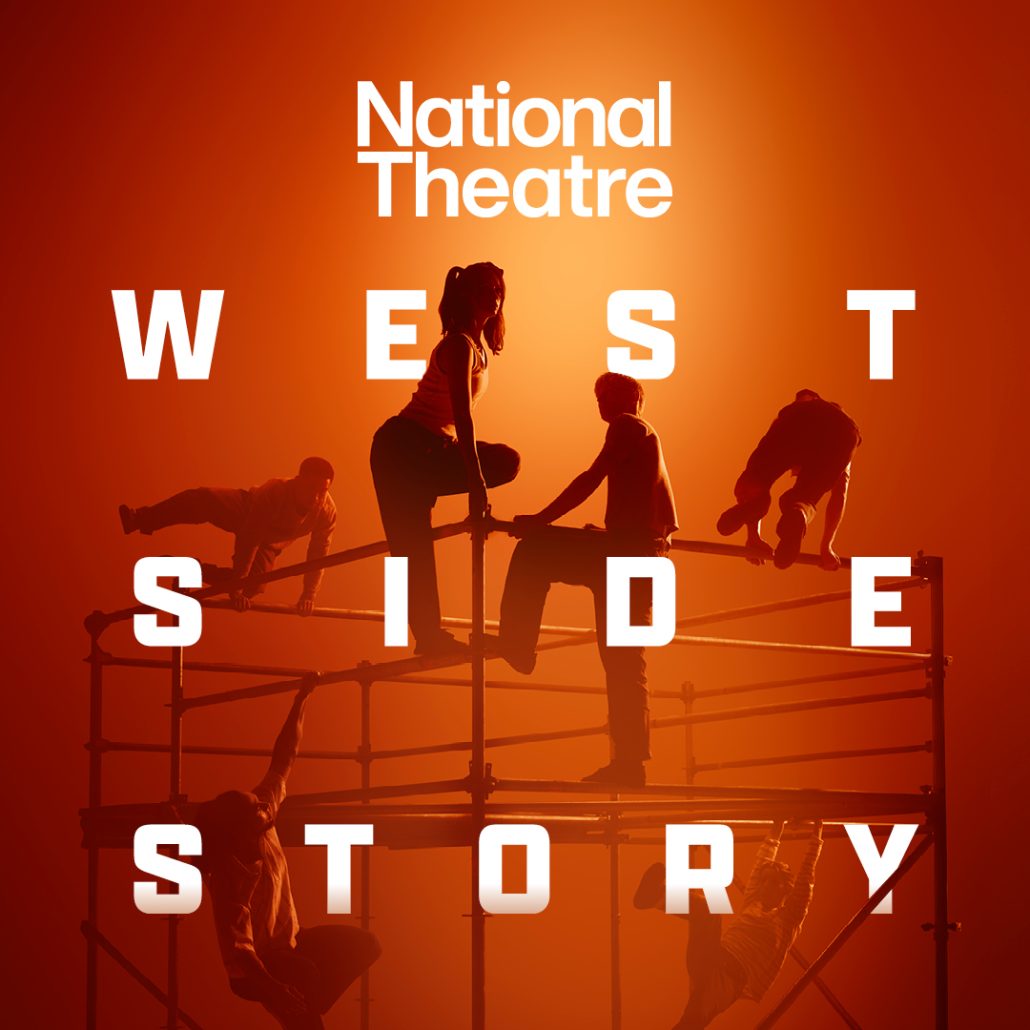
That same week the National – one of the greatest theatrical organisations in the world – sent out its press release for West Side Story, which opens at the Olivier in November 2027. It mentions 10,000 cheap tickets for under-25s twice. It doesn’t mention the record top price.

So I will. £146, plus a £4 booking fee, for a show that doesn’t open for another year. Yup. That is the most the National has ever charged for a seat on the South Bank. Top prices are up 22% this year, from £120, and 33% in two years, from £110.

I do not believe the National Theatre can charge prices like these without hurting someone. A wedge is being driven between wealthy audiences and poorer ones. It makes my teeth itch with rage. 

So why do I sometimes feel I’m the only one who feels this way? The only one willing to put my neck on the block and say it out loud? (And this from a man whose main goal in life is to reduce the number of irritating emails and phone calls that come his way.)
As it turns out, I’m not alone. Even the National’s own members are reeling. One, armed with a credit note, told me she was “poleaxed by the prices” and settled for a side seat at £95. Another loyal theatregoer called the jump from £120 to £146 “a hike too far”.

And it doesn’t stop at the box office. This is clearly now an organisation-wide approach: generate income above all else: £32 for two medium glasses of wine at the interval. £6.80 for a cheese fucking sandwich in the café.

No charred orange for the rest of us, then.

But of course, the press release doesn’t mention dynamic pricing either. Last December the NT’s own research called it one of the most exciting areas for investment in theatre. In April the NT confirmed it was already using it, though it wouldn’t say since when.

There have been two rebuttals of people like me so far, both careful not to name names. The first came from the West End. In September Sir Nicholas Hytner, the National’s former artistic director, said he favours dynamic pricing because “mostly the dynamic is downwards”. 
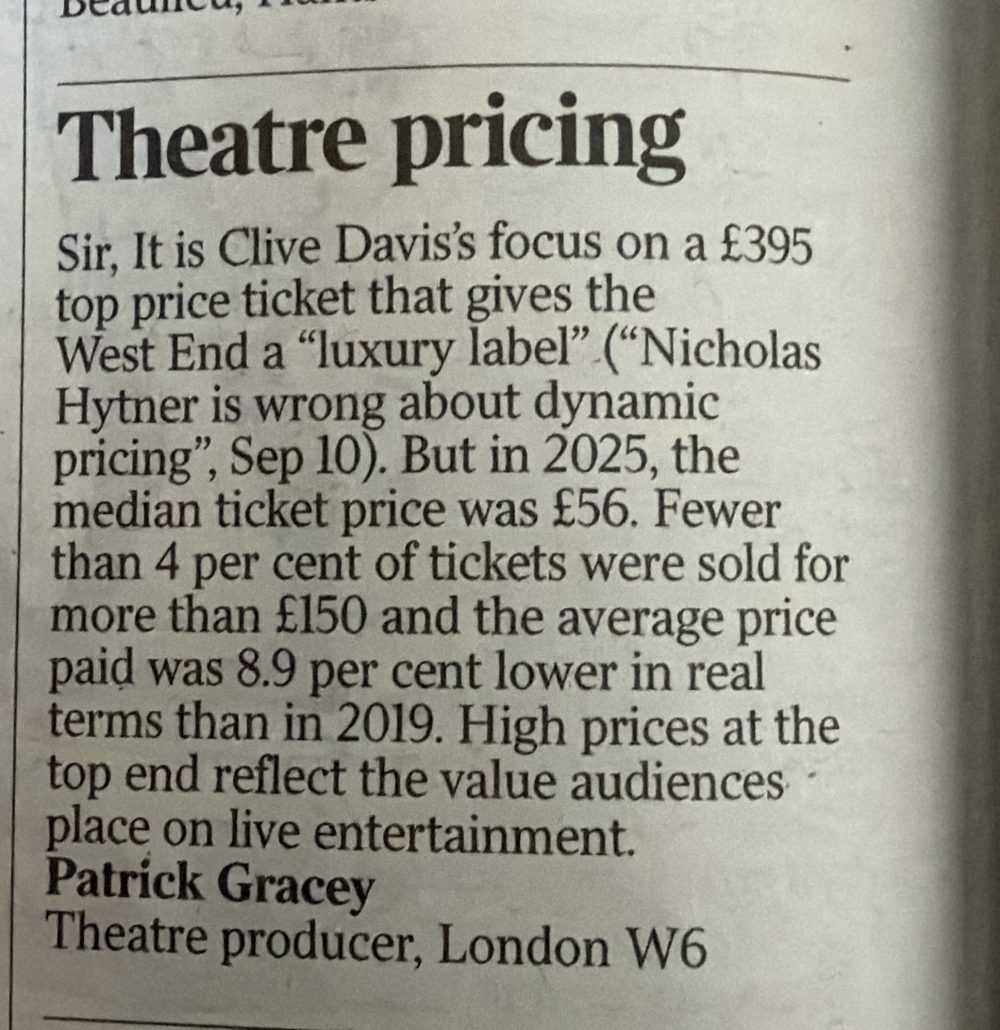
Patrick Gracey, a producer and SOLT board member, then rehearsed the case in The Times: the median West End ticket last year cost £56, fewer than 4% sold for more than £150, and top prices “reflect the value audiences place on live entertainment”.

Sorry, but “downwards” is barely true. When a show doesn’t sell, the price on the box office website rarely falls. Instead the house is quietly “papered” through seat-filling clubs that charge annual membership and often need a referral or someone in the know. In this regard, the recent National newsroom play The Story papered nightly.

A National Theatre For Whom, At What Cost, At Whose Expense? 

The second defence is the National’s own: dynamic pricing helps keep a quarter of its tickets at £30 or under. Remember that the public already pays for cheaper seats. It’s called the Arts Council grant.

But the National isn’t the West End. It took about £26m of public money last year, and a flagship theatre funded by the taxpayer shouldn’t be priced by what the market will bear. Its £146 top price also sits just under Gracey’s £150 threshold, so his “fewer than 4%” says nothing about it.

Anyway, as so often in this septic isle, the National has a burden, it is the remit to be all things to all people; as much a flexible concept as a permanent institution. Britain’s dramatic heritage is the best in the world and our national theatre should meet that standard of excellence.
Listen, in a fractured culture, there’s always more than one way to spin a yardstick. 

In reality, that annual ACE grant is more than £16m a year, which is about £44,000 of taxpayer money gobbled up every day. That makes the organisation England’s most heavily subsidised theatre. 

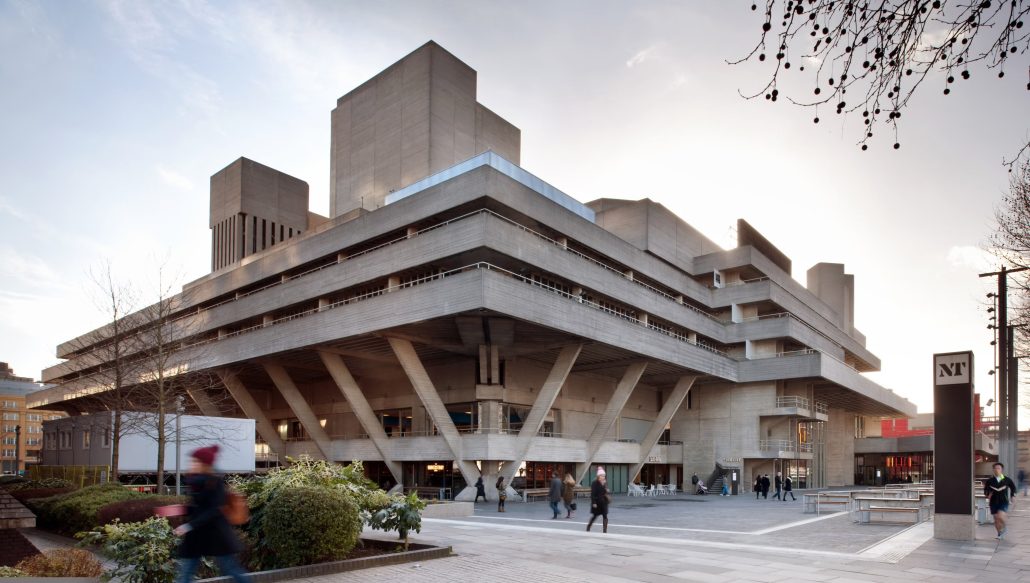
On top of that, the government is putting £26.4m into repairing the building. So, the public helps pay for the place and is paying to fix it. We are entitled to know why a seat costs what it costs. 

The National’s latest annual report shows a £7.1m surplus, donations up a third to £45.4m and cash reserves of £37.4m.Strip out £9.6m of taxpayer-funded tax relief, though, and it still lost money. That’s the honest case for public subsidy. It’s also the reason the public shouldn’t be priced out of the seats they’re paying for.

Besides, we live in a substantially different era from the one in which both the RSC and the National were founded. The National used to be praised for charging no booking fee. 

However. Since spring 2026 it has added £4 to every online and phone order, the sort of charge you’d expect from ATG, the private equity-owned theatre chain. When a publicly funded charity starts pricing like a commercial operator, it shouldn’t be surprised when audiences treat it like one.

Optics

To be fair, the National faces commercial pressure as much as any theatre, and perhaps more. Its subsidy comes with obligations: to satisfy audiences, fill the house and produce a certain amount of work. Running a building that size is very hard. But that’s an argument for being open about prices, not for leaving them out.

So here are some practical proposals.

  • Start at the top. The National’s US tax filing puts chief executive pay at around £180,000. A 5% cut would save £9,000, the price of 300 tickets at £30. It’s a small sum, but leadership that takes a cut before asking audiences to pay more sends a signal no press release can.
  • Double the cheap seats for young people, from 10,000 to 20,000. At fewer than one seat in ten, they’re a gesture. At one in six, they start to look like a policy. Last year donations rose by £11.3m, so the money exists.
  • Give dress rehearsals to key workers, people out of work and people on universal credit. The cast performs anyway and the lights are already on, so the seats cost the theatre almost nothing to fill. And it would show the taxpayers that they’re welcome inside.
  • Add a “pay it forward” button at checkout. Anyone paying £146 could add a donation to fund a seat for someone who couldn’t otherwise come. People who can afford £146 usually like being asked, and the NT knows it: one gala raised £2m in a night.
  • Go looking for the audience you’ve never had, and cherish them.With bills and borrowing costs rising again, more people are being priced out every season. The longer they stay away, the easier it becomes to set prices for the people who still come. That’s how a national theatre becomes a private members’ club, one price rise at a time.

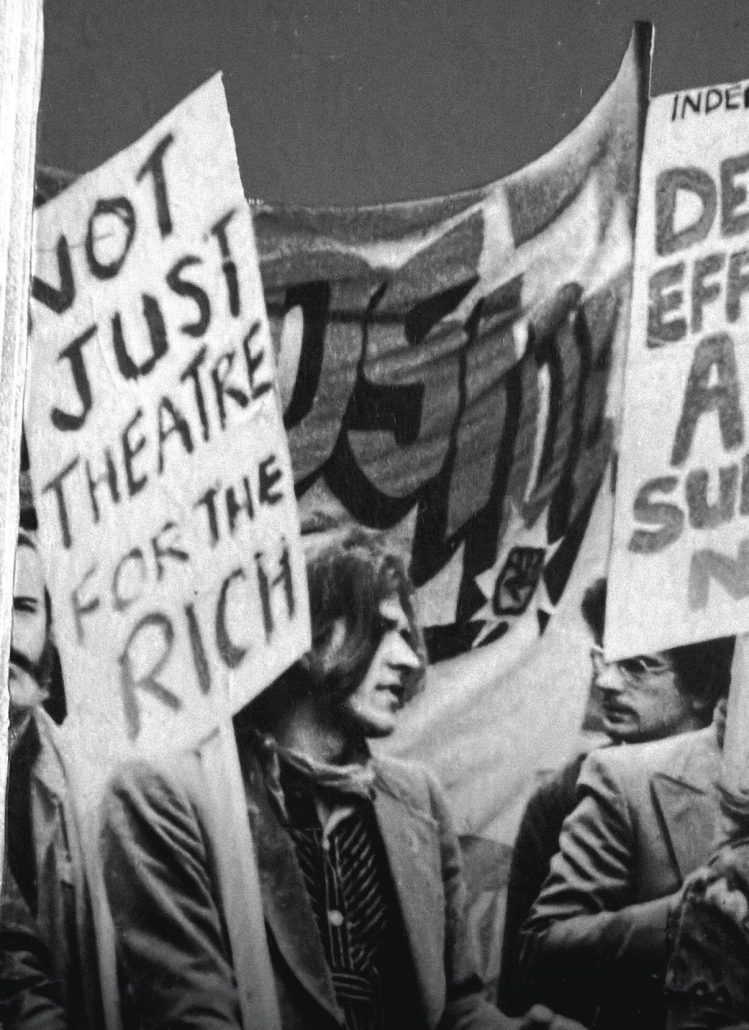
Generations of idealists fought for public subsidy precisely to free theatre from commercial demands. Art works slowly, and so does education. 
A mid-career freelancer in Mansfield who sees West Side Story for £30 may not buy another ticket for twenty years. But when they do, they’ll bring their children. Shut them out now and the bill arrives a generation later, when the only audience left is the well-heeled one that could always afford it.

All of which connects back to the fact that Britain doesn’t spend enough on the arts. Starved of money, live theatre has stopped shaping the national conversation, and it costs us more than ticket sales. Truly.

Generations of idealists fought for public subsidy precisely to free theatre from commercial demands. We have all paid for the National Theatre. It belongs to us. If it shrinks into a subsidised rival to the West End, competing on terms the commercial theatre cannot match, it will have lost its reason to exist.

In a year when one fundraising gala raised £2m and the National ended with more coming in than going out, it says it wants to reach every child before they leave school. 

Ultimately, flogging £146 tickets is a strange way to do it. 
I put three questions to the National’s press office: is £146 the ceiling, will dynamic pricing apply, and what do Varah and Rubasingham earn?

They replied within 48 hours, which is more than most theatres manage. Yes, £146 is the top price, and the National says it will never go above it. On dynamic pricing, it “occasionally” adjusts prices to support its cheaper seats. That sounds like a yes, said quietly. On what the co-chief executives earn: nothing.

Reinventing what a national stage can be, indeed. The National promises never to cut its cheapest seats. It makes no such promise about the rest.

West Side Story runs at National Theatre 12 November 2027 until 12 February 2028 

, , ,

Indhu Rubasingham’s National Theatre

THE National Theatre ain’t broke, so I wouldn’t fix it.

Anyway, Indhu Rubasingham has today announced her inaugural season at the National Theatre. First up: Ballet Shoes will be returning to the Olivier this Christmas.

The artistic director of the National Theatre must do far more than programme three stages and occasionally put in 100-hour weeks. 

They must steer the organisation itself—and, by extension, the wider industry—through a fragmented landscape.

Evidently, it’s a role that demands not only nerve, vision, and unshakable resolve but a deep understanding of what the word “national” truly means in today’s fractured Britain.

With an annual public subsidy of around £16.2 million, its burden—and its brief—is to be everything to everyone. That scale of responsibility becomes all the more weighty when placed against the stark backdrop of regional funding disparities now laid bare.

Is the National truly national enough?
It’s a timely question, especially in light of recent research from the BBC, which reveals a sharp contraction in the UK’s subsidised theatre sector. A 2024 survey found that the 40 best-funded producing theatres staged just 229 original productions—a 31% drop from 332 in 2014.

These findings echo a 2023 report by Data Culture Change, showing a 37% decline in self-produced performances across ten major producing theatres in England and Scotland during the same decade.

It is reassuring to see Hull-based Middle Childand Barnsley’s Lung have been named the first companies in residence under a new initiative.

Enter Indhu Rubasingham, the seventh artistic director of the National Theatre, and the first woman—and first person of colour—to hold the post. She follows in the footsteps of Laurence Olivier, Peter Hall, Richard Eyre, Trevor Nunn, Nicholas Hytner, and Rufus Norris.

Rubasingham is characteristically reluctant to centre her identity in public discourse. 

She prefers to lead as an artist first, with a focus on excellence, tenacity, and broadening theatre’s reach—not box-ticking. “I’ve always felt better equipped to express my thoughts through the work itself,” she says. Her promise is simple but pointed: to “appeal to as many people as possible. Audiences like a good story, well told—and that’s true whether you’re at the Kiln or the National.”

Her work on the National’s own stages has also paved her way. From Stephen Adly Guirgis’s The Motherfucker with the Hat (2015) to Anupama Chandrasekhar’s The Father and the Assassin (2022), she has demonstrated the rare ability to balance critical acclaim with popular appeal—a vital skill.

Meanwhile, Rubasingham’s new leadership team signals her artistic intent. Director Miranda Cromwell, playwright Lynn Nottage, and academic Sophie Duncan join as artistic associates alongside Clint Dyer, who stays on. Robert Hastie, former artistic director of Crucible Theatre in Sheffield, will serve as her deputy.

But the challenges are formidable.

Startlingly, both Peter Hall and Richard Eyre in their diaries admit to being forced to thoughts of suicide by the pressures of the top job, describing it as “three-dimensional chess in the dark” and like having a gun pointed at their head. 

And Sir Nicholas Hytner, for his part, recently noted that “the challenges are much more extreme now. Funding has been drastically reduced. The National, like everyone else, must devote a large portion of its resources to education, outreach, and community work—essential and good, but Arts Council England (ACE) seems far less interested in artists than it once was.”

After sixty-two years, the National Theatre remains a work in progress—shaped by economics, shifting cultural tides, and the strengths and flaws of those who lead it.

Rubasingham’s first season suggests she understands the brief: relevance, reach, and rigour. This includes expanding the global audience for National Theatre at Home, a £9.99 per month streaming service for productions that insiders hope to make into a “Netflix for theatre”.

The season of work features 16 brand new productions, including a return to repertory theatre for the first time since 2020.

Rubasingham will direct a rap adaptation of Bacchae herself. This reimagining of the Euripides drama is the work of first-time playwright Nima Taleghani. Paul Mescal will appear in two classic 20th Century plays – Death of a Salesman and A Whistle in the Dark. 

A new musical adaptation of Pride, based on the acclaimed 2014 film, is being staged by P&P Productions in collaboration with the National Theatre, with performances scheduled in London and at Cardiff’s Sherman Theatre.

Elsewhere, a new collaboration between the theatre and rap artist Stormzy was also announced, but details have not yet been revealed. And a family production of The Jungle Book and Hamlet. 

She has already, however, proven that she can redefine a theatre. Now she must help redefine a national stage.

As Laurence Olivier, the National’s founding director, once said, the theatre’s purpose is simple: “To make the audience applaud.”

Needless to say, applause isn’t just symbolic—it’s financial. But no national theatre can ever meet all expectations.

It is ticket sales that largely pay for the productions, and therefore the National are under pressure (as commercial theatres are) to be popular if they are not to dwindle.

I have high hopes for Indhu’s tenure – may she walk the walk, swerve the culture wars and above all stay serene.

, , , , ,

Finally Some Good News: Indhu Rubasingham appointed new director of National Theatre

I remember asking Indhu Rubasingham what she wished somebody had told her when she was starting out in theatre. She replied that she wished someone had told her that she had a right to be part of this industry, and that her voice was important. “One of the skillsets that you need is tenacity and to keep going,” she said.

This week, Rubasingham, 53, has been announced as the first woman and first person from an ethnic minority to be appointed director of the National. She will succeed Rufus Norris, who will leave in spring 2025, and joins the organisation as director designate in spring. Important stuff.

Born in Sheffield and with Sri-Lankan heritage, she will be the seventh director since the National was founded by Sir Laurence Olivier in 1963. In the six decades since it was founded, all the artistic directors have been white men. 

“For me, this is the best job in the world,” Rubasingham said of her new appointment, in a statement.

She added: “The National has played an important part in my life – from tentative steps as a teenage theatregoer, to later as a theatre-maker, and to have the opportunity to play a role in its history is an incredible privilege and responsibility.”

Rubasingham landed her first theatre job at the age of 18, when she directed a production of Roy Williams’s Starstruck at The Kiln – then known as the Tricycle Theatre. As artistic director of the Kiln, her credits include The Wife of Willesden, Pass Over, White Teeth, Red Velvet and Handbagged. She steered the North London theatre through some of the most difficult years in living memory.

The NT may be 60 years old. It remains, however, an enduring, advancing, uncompleted project whose future will be determined by a unique variety of headwinds: by the quality of the team around her, by the perils of the British economy and, not least, by the impending General Election that the country so desperately needs.  

Inevitably, the gig had taken a toll on her predecessors. Peter Hall wrote in his diaries of his suicidal feelings. In his National Service, Richard Eyre, the director from 1987 to 1997, admits to “melancholia, a shrinking of the spirit”, along with, yes, “recurrent thoughts of suicide”. Yikes.

In 2022 Arts Council England, the funding body, slashed the National’s subsidy by 5 percent, to £16.1 million , as part of a drive to reallocate grants to institutions outside London. From next Autumn, the NT will face further budgetary hell when it must start repaying a covid loan worth £19.7 million. 

Rubasingham – who has directed a number of plays at the NT over the past 25 years – was among panellists discussing arts provision in schools as part of The Big Arts and Education Debate that I organised, held at Birmingham Repertory Theatre in 2018. Industry professionals gathered to discuss the fact that diversity would suffer because of the cuts to arts in schools.

She said at the time: “It’s so frustrating that the creative industries are worth £91.8 billion to the UK economy and [the government] is not valuing them We’re world-class [at the arts], and if we keep going this way, we’re not going to keep the pipeline, we’re not going to be able to get a diversity of voices, in terms of class and race.”

One of the reasons, then, I am thrilled about this landmark appointment is because Indhu cares. She cares about stuff that matters. I believe that she will flourish in this role, because to run the UK’s flagship theatre you must find the opposite of schadenfreude: you must take joy in other people’s successes.

In fact, Indhu is an expert in enabling others to do their best. This is brilliant news – the sort of news about theatre leadership that happens in a country that deserves better, but that no longer expects it.

So, onwards.